Introduction: Why Most People Struggle with Effectiveness
Everyone wants to be productive, successful, and fulfilled—but most people chase quick fixes that don’t last. The real difference between average and highly effective individuals comes down to habits grounded in principles.
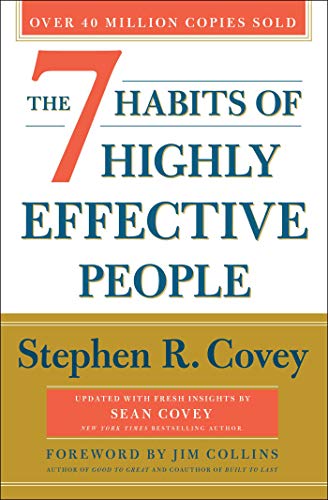
In this detailed 7 Habits of Highly Effective People Summary, we break down the timeless framework from The 7 Habits of Highly Effective People by Stephen R. Covey into practical, easy-to-apply steps.
This isn’t just theory—it’s a blueprint for long-term success in your career, relationships, and personal life.
The Foundation: Inside-Out Transformation
Before diving into the habits, Covey introduces a powerful idea:
Real change starts from within (Inside-Out), not from external circumstances.
Character Ethic vs Personality Ethic
| Character Ethic | Personality Ethic |
|---|---|
| Integrity, discipline, honesty | Image, charm, tactics |
| Long-term success | Short-term results |
👉 Key takeaway: Who you are matters more than what you do.
The 7 Habits Framework Explained
The habits are structured in a progression:
- Private Victory → Master yourself
- Public Victory → Master relationships
- Renewal → Sustain growth
Part 1: Private Victory (Self-Mastery)
Habit 1: Be Proactive
What It Means
Take full responsibility for your life. Your actions are based on your choices, not your circumstances.
Key Concepts
- Circle of Influence vs Circle of Concern
- Focus energy on what you can control
Real-Life Example
Instead of complaining about a toxic workplace, you:
- Improve your skills
- Communicate better
- Or seek better opportunities
Action Steps
- Replace reactive language:
- ❌ “I can’t do this”
- ✅ “I’ll find a way”
- Identify one problem you can control today
Habit 2: Begin with the End in Mind
What It Means
Start with a clear vision of your future.
Key Ideas
- Create a personal mission statement
- Align actions with long-term goals
Powerful Exercise
Imagine your funeral:
- What do you want people to say about you?
Action Steps
- Write your top 5 life values
- Define goals in:
- Career
- Health
- Relationships
Habit 3: Put First Things First
What It Means
Manage your time based on importance, not urgency.
The Time Management Matrix
| Quadrant | Description | Example |
|---|---|---|
| Q1 | Urgent & Important | Deadlines |
| Q2 | Important, Not Urgent | Planning, growth |
| Q3 | Urgent, Not Important | Interruptions |
| Q4 | Not Urgent, Not Important | Scrolling social media |
👉 Highly effective people focus on Quadrant II
Action Steps
- Plan your week in advance
- Eliminate distractions
- Learn to say NO
Part 2: Public Victory (Relationships & Teamwork)
Habit 4: Think Win-Win
What It Means
Seek solutions where everyone benefits.
Key Mindset
- Abundance mentality (there’s enough for everyone)
Example
In business negotiations:
- Instead of competing, find shared value
Action Steps
- Ask: “How can both sides win?”
- Build trust before making demands
Habit 5: Seek First to Understand, Then to Be Understood
What It Means
Listen deeply before speaking.
The Problem
Most people listen to reply, not to understand.
Solution: Empathetic Listening
- Listen without interrupting
- Reflect what the other person says
Example
Instead of:
- “That’s wrong”
Say:
- “I see your point—here’s another perspective”
Action Steps
- Practice active listening daily
- Avoid interrupting conversations
Habit 6: Synergize
What It Means
Teamwork creates results greater than individual effort.
Key Idea
Differences = Strengths, not weaknesses
Example
A diverse team generates more innovative ideas than individuals working alone.
Action Steps
- Encourage different opinions
- Collaborate instead of competing
Part 3: Renewal (Sustained Growth)
Habit 7: Sharpen the Saw
What It Means
Continuously renew yourself in four areas:
1. Physical
- Exercise regularly
- Eat healthy
2. Mental
- Read books
- Learn new skills
3. Emotional/Social
- Build strong relationships
- Practice empathy
4. Spiritual
- Reflect on values
- Practice mindfulness
Action Steps
- Dedicate at least 30 minutes daily to self-improvement
Key Lessons from the Book
- Success is habit-driven, not luck-based
- Focus on long-term growth
- Build strong relationships through trust and empathy
- Self-discipline is the foundation of effectiveness
- Continuous improvement prevents burnout
Practical Daily Routine (Based on the 7 Habits)
Morning:
- Review goals (Habit 2)
- Exercise (Habit 7)
Workday:
- Focus on priority tasks (Habit 3)
- Practice proactive thinking (Habit 1)
Evening:
- Reflect on your day
- Improve relationships (Habit 5)
Internal Linking Suggestions
- [How to Build Better Habits]
- [Top Productivity Techniques for Professionals]
- [Best Personal Development Books Summary]
External Authority Link Suggestions
- Harvard Business Review (leadership insights)
- FranklinCovey official website
- Research on habit formation (APA or academic journals)
Conclusion: Your Path to Effectiveness
The 7 Habits of Highly Effective People Summary teaches one powerful truth:
👉 Success is not about doing more—it’s about becoming better.
By focusing on principles, self-discipline, and continuous growth, you can transform your life step by step.
🚀 Call to Action
Don’t try to apply all 7 habits at once.
👉 Start today:
- Pick ONE habit
- Apply it consistently for a week